Tuesday, November 9, 2021

New NY Law Prohibits E-Cigarettes at Schools

New York law bans the use of electronic cigarettes at school, including at all public and private schools and in vehicles used to transport students. 

You may have heard various terms to describe electronic nicotine delivery systems, such as electronic cigarettes, e-cigarettes, e-cigs, vapes, vaporizers, or vape pens. No matter what you call them, youth e cigarette use is dangerous.

The use of e-cigarettes has become increasingly popular, particularly among young people and high school students. Over a recent five-year span, e-cigarette use for high school students jumped from 10.5 percent to 27.4 percent, according to a report by the New York Department of Health, representing a staggering increase of 160 percent. Meanwhile, the rate of smoking regular cigarettes for high school students fell from 27.1 percent to 4.3 percent. Presently, e-cigarettes, also known as “e-cigs,” are the most commonly used cigarette product.

Tobacco use is the leading cause of preventable disease and death in the United States, according to the Centers for Disease Control and Prevention (CDC) . Almost all tobacco produce use begins during youth and young adulthood. Each year, the National Youth Tobacco Survey is administered to help determine the frequency of use. According to the most recent National Youth Tobacco Survey, 4.47 million students or 16.2 percent of all students reported tobacco product use within the last 30 days. This included 23.6 percent of high school students and 6.7 percent of middle school students. E cigarettes were the most commonly used tobacco product among middle and high school students. 

Dangers of E Cigarettes

E-cigarettes contain a battery, a heating element and a place to hold liquid that typically contains nicotine. The e-cigarette device heats the liquid until it vaporizes, and the user inhales the vapor into their lungs. While some think that “vaping” is safer than smoking traditional tobacco cigarettes, the fact is that nicotine exposure of any kind can harm adolescent brain development and lead to nicotine addiction.

Additionally, the American Lung Association reports that e-cigarettes contain a variety of harmful substances that can be dangerous when inhaled, potentially leading to irreversible lung damage and lung disease. These potentially harmful ingredients include propylene glycol and vegetable glycerin, which are toxic to cells. The more ingredients in e-liquid, the greater the toxicity level. The American Lung Association reports that e-cigarettes produce various dangerous chemicals, including acetaldehyde, acrolein, and formaldehyde, which can cause serious lung disease. The Surgeon General has also reported that when people use e-cigarettes, they produce secondhand emissions that can serious lung disease to others nearby.

In addition to adverse health effects, defective e-cigarettes can also cause fires and explosions resulting in serious personal injuries. Those injured by an exploding or otherwise defective e-cigarette may be entitled to file a personal injury lawsuit and seek compensation and money damages for their pain, suffering, financial losses and burn scars.

E-Cigarette Laws in New York

Many school campuses in New York and across the country were tobacco-free or smoking-free prior to the passage of recent e-cigarette legislation. Because e-cigarettes do not contain tobacco, they were technically permitted under New York’s Public Health Law. Thanks to New York Senator Patty Ritchie, the Public Health Law now also prohibits the use of e-cigarettes on school grounds and in vehicles transporting students.

The new Public Health Law is one of several measures that have been undertaken by New York to protect teenagers from the dangers of smoking and nicotine use. Senate testimony cites the following reasons for amending the law to ban e-cigarettes:

  • E-cigarettes are increasing in use, particularly among young people.
  • E-cigarettes supply the user with a steady dose of nicotine, known to be highly addictive and habit forming.
  • E-cigarettes do not receive oversight from the U.S. Food and Drug Administration (FDA) and scientists still have a lot of learn about the health effects of e-cigarettes.

Additionally, New York prohibits the sale of flavored nicotine vapor products and the sale of all tobacco and nicotine vapor products in pharmacies. Lawmakers believe that flavored e cigs are responsible for the dramatic increase of the use of e-cigarettes by young adults. The New York State Department of Health says that 40 percent of high school students in the 12th grade are now using e-cigarettes and that this increase is largely driven by flavored e liquids. The New York State Commissioner of Health Dr. Howard Zucker says that children have been using vaping products at alarming rates due to the tobacco industry’s marketing efforts and that the ban on flavored nicotine vapor products will protect them. 

New Jersey also has laws in place that prohibit the use of e-cigarettes at schools and in other public places. New Jersey also prohibits the sale or distribution of the product to anyone under the age of 19.

The Impact of E-Cigarettes and Recent Legislation on Adolescents

The National Institute on Drug Abuse (NIDA) reports that while smoking rates have generally decreased during the last decade, e-cigarette use has risen sharply. Many attribute the increase in e-cigarette use to pervasive advertisements targeting young people that falsely claim that vaping is safer and healthier than smoking standard cigarettes.

There are more than 450 brands of electronic cigarettes currently on the market. They come in a variety of shapes and sizes. E-cigs usually utilize small canisters of flavored fluid and a battery powered heating element, which creates vapors that users inhale. The vapor contains nicotine, and users are able to control the amount they intake. When exhaled into the air, nicotine in aerosol vapors can impact others in the user’s vicinity, similar to secondhand smoke.

Laws limiting the use and availability of e-cigs have the following benefit. They help to

  • Limit young people’s exposure to nicotine
  • Prevent e-cigarette containers from being used to smoke marijuana or other types of drugs
  • Reduce the likelihood of future cigarette smoking in teens. Studies show that students who start using e-cigs in the ninth grade are more likely to switch to standard cigarettes within a year

Electronic cigarette laws can also help prevent a dangerous and highly prevalent practice called “dripping,” which involves placing e-liquid drops directly on heated atomizer coils. Dripping can be especially dangerous because it results in a more intense flavor and can deliver larger amounts of nicotine into the bloodstream.

Concerns About Electronic Cigarette Use

The Centers for Disease Control and Prevention (CDC) state that while electronic cigarettes have the potential to benefit adults who are already hooked on nicotine, they are unsafe for young people, pregnant women, or those who do not currently use tobacco.

One benefit promoted by e-cigarette makers is the fact that e-cigs do not contain tar, which is produced by smoking traditional cigarettes. What these manufacturers don’t mention is that e-cigarettes may contain heavy metals such as nickel, tin and lead, along with other dangerous chemicals that are linked to increased rates of cancer and lung disease. E-cigarettes also often contain larger quantities of nicotine than standard cigarettes, which is widely known to be highly addictive, harmful to developing brains and toxic to unborn babies. If e-liquid is swallowed or absorbed through the skin, it can be lethal.

Another less common but still serious danger is the risk of a malfunctioning e-cigarette devices. The CDC reports that defective electronic cigarettes have caused fires and explosions, resulting in severe facial and hand burn injuries. The Food and Drug Administration notes that users are most frequently injured while the e-cig device is charging.

If an explosion or fire occurs while using or charging the e-cigarette, the FDA recommends reporting the incident, making note of the name of the e-cig manufacturer along with the brand name, model and serial number of the device and the location where it was purchased. Such quick action may result in a recall or discontinuation of sale of the potentially dangerous vaporizer or e-cigarette.

Have You Suffered an Injury or Illness Due to Electronic Cigarettes?

Electronic cigarette malfunctions involving fires or leaking nicotine fluids can result in serious burns and illnesses. If you have been injured by a defective e-cigarette, contact Davis, Saperstein & Salomon, P.C. Our experienced product liability attorneys can advise you on how to hold negligent e-cigarette manufacturers accountable and pursue compensation to cover your medical bills and other losses, such as pain, suffering and disfigurement.

Our law firm has been providing trustworthy, dependable legal representation for more than 30 years to clients throughout New York and New Jersey. Call or contact us online to request a free consultation to discuss your e-cigarette or vaporizer injury and legal options. There is no legal fee unless we obtain financial compensation for you.


This post was originally published in March 2018 and has been updated for accuracy and comprehensiveness in November 2021. 

The post New NY Law Prohibits E-Cigarettes at Schools appeared first on .


from Davis, Saperstein & Salomon, P.C. https://www.dsslaw.com/blog/new-ny-law-prohibits-e-cigarettes-at-schools/
via https://www.dsslaw.com

Tuesday, November 2, 2021

Motorcycle Rider vs. Deer in Teaneck

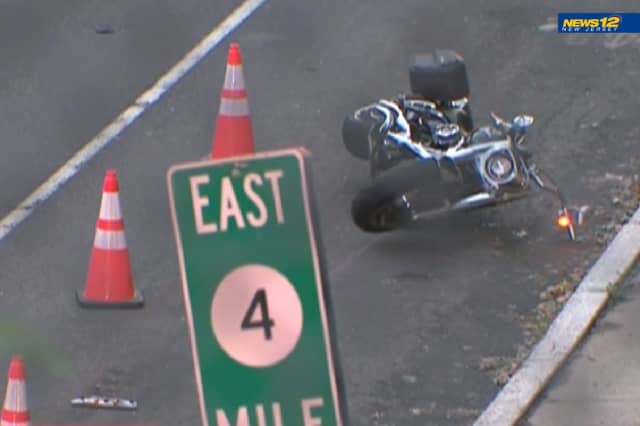
Fatal motorcycle accident on Route 4 in Teaneack

At the scene of a fatal motorcycle accident on Nov 1, 2021. Photo credit: News12 New Jersey

This morning on my way to work I noticed something rather strange. There was no traffic heading east on Route 4 in Teaneck, NJ. It did not take much knowledge or wisdom to figure out something terrible was ahead of me headed west on Route 4 toward River Edge and Hackensack, especially when I noticed the flashing emergency lights of the police ahead of me near Teaneck High on Queen Anne Road. Preliminary reports are that the biker lost his life when he collided with a deer on the roadway.

Being a New Jersey injury lawyer, who has represented many clients and family members suffering from a loss, my heart goes out to the families, with my sincerest condolences. The one thing I learned as a motorcycle rider and motorcycle accident lawyer is that until a motorcycle collision is fully investigated, no one should jump to the conclusion that it was the fault of the motorcycle rider.

As I passed the accident scene, I initially observed the lights of a flatbed truck and some law enforcement vans. The Bergen County Police, and the Teaneck Police investigators were on the crash scene. Also present at every fatal accident, is the Bergen County prosecutor’s office fatal accident squad which consists of a team of highly trained accident reconstruction experts. My observation was that there were at least 10 other police cars, vans, and county trucks at the accident scene. The fatal accident unit carefully examines the scene for skid marks, and roadway marks from the gear, brake, or motorcycle handlebars. Drivers and witnesses are sequestered at the accident scene and questioned. Electronic digital surveying equipment carefully collects information using lasers to eventually map out the accident scene.

Whenever a death occurs on a New Jersey roadway it always results in a criminal investigation. The result is an ongoing criminal investigation causing no information to be released to anyone by the county prosecutor until they concluded their investigation and issued their official police report. Some information may be released to family members through county victim assistance programs. This often frustrates the family who desperately desires and wants details about their tragic loss.

What could the Bergen County Fatal Accident unit learn and find out about a motor vehicle accident with a deer? For one thing, there may have been another driver on the roadway that took action to avoid the deer cutting off the motorcycle rider or blocking his view of the roadway. Perhaps another driver hit the deer, and it was already lying on the roadway when the motorcyclist struck it. Could there be a monetary settlement from of a “freak accident” for the motorcyclist’s next of kin under those circumstances?

The answer is that a settlement could be quite possible. The deer is not capable of being found negligent. So, drivers of a car that collided with an animal, no matter how bad the accident, are not entitled to any settlement other than their medical bills, and lost wages under their auto Personal Injury Protection (PIP) policy. But what happens in the case of a deer caucus lying on the roadway, and another driver leaving the scene or another car that cut off the biker? Under those circumstances, the motorcyclist or a passenger on a motorcycle may be able to collect under their own auto insurance policy through its uninsured and underinsured motorist coverage. However, to prove that, may require a careful and skillful accident scene reconstruction.

Often, no criminal charges are filed, and the family seeks answers and justice by bringing a lawsuit by suing in the “Civil Division” of the court system. A skilled lawyer will immediately take action to preserve evidence, which may include the motorcycle’s maintenance records. He or she will contact the Prosecutor’s office to try to get some basic information so that the private lawyer’s firm will begin its investigation. Often, this will require a Superior Court Judge’s court order to provide information to the family’s lawyer so long as it does not compromise and ongoing investigation.

The finding of the prosecutor resulting in no indictment or criminal charges should never be interpreted that there was no other driver’s fault causing this wrongful death. That is because to obtain a criminal conviction the evidence must be “beyond a reasonable doubt.” To win compensation, or money, in a civil court the standard of proof is a preponderance of evidence meaning it was more likely than not that the biker was injured because of someone else’s negligence.

As drivers, we have seen motorcyclists speed, drive between lanes, pass on the right, and engage in other dangerous and reckless conduct. Yet, the truth is that most motorcycle operators are extremely cautious and responsible riders. People refer to motorcycle collisions or crashes as “accidents.” Often, they are not accidents but in reality, are needless deaths and injuries caused by car and truck driver negligence.

Motorcyclists most often ride with caution but are nevertheless blamed for their harm. Non-riders and even jurors seem to feel that motorcycle enthusiasts assume the risk of injury when they decide to ride a motorcycle or scooter. That is simply untrue. So long as the motorcyclist obeys the motor vehicle laws, he or she is entitled to the exact same protection and justice as anyone else sharing the roadways. Think about it. Shouldn’t pedestrians, bicycle riders, mothers and fathers pushing baby carriages, skateboarders, and others sharing or crossing the road be entitled to safety?

Not a Standalone Motorcycle “Accident”

One such motorcycle crash case illustrates how wrong it is to jump to a conclusion blaming the biker. Several years back, I received a call about a man in his early 50s who was driving through an intersection when he was hit by an ambulance with its sirens and lights activated. Fortunately, the motorcycle rider survived but with many broken bones and a mild traumatic brain injury. Our law firm accepted his case and believed in our client’s version about how the accident happened. Our internal motorcycle collision practice group carefully investigated the accident and concluded that the ambulance driver acted negligently as he approached the intersection by failing to observe the approaching motorcycle. After several years of investigations and litigation the ambulance owners admitted fault for cutting the biker off and accepted responsibility by paying him millions of dollars as part of a pre-trial settlement.

In another case, a Harley rider crashed into the back of a bus causing him to almost lose his leg and suffer neck and back injuries ending his career as a construction worker. The bus driver was proven negligent by failing to notice the approaching motorcycle. His assumption that the motorcycle was going to yield to the bus is what caused the bus to cut off the biker.

The Davis, Saperstein & Salomon P.C. clients, represent by Garry Salomon, Adam Lederman, and Manuel Sameiro and were able to win a settlement of several millions of dollars for each injured motorcycle rider.

Fair settlements do not restore life or heal injuries. What a settlement does is recognize a loss with money, as deserved compensation for the harms and losses suffered by an injured person or their survivors in the hope of providing closure and justice to the accident victim. Hundreds of years ago, families had to resort to an “eye for an eye” self-help remedies that too often included violence to extract revenge and closure.

In modern times, we have our courts to resolve disputes civilly between a plaintiff and defendant using money as a common denominator. And that’s why it’s called the “Civil Justice System. “

For more information about the civil justice tort system, contact Garry R. Salomon, certified as a civil trial attorney by the Supreme Court of New Jersey, partner in Davis, Saperstein & Salomon P.C, Teaneck, New Jersey, and head of the firms’ motorcycle litigation practice group.

The post Motorcycle Rider vs. Deer in Teaneck appeared first on .


from Davis, Saperstein & Salomon, P.C. https://www.dsslaw.com/blog/motorcycle-rider-vs-deer-in-teaneck/
via https://www.dsslaw.com

How Traumatic Brain Injuries Could Impact Your Child’s Future

Traumatic brain injury (TBI) is a leading cause of death and disability among children in New Jersey and throughout the country.

As the U.S. Centers for Disease Control and Prevention (CDC) reports, the rate of emergency room TBI-related visits is higher among children than among any other age group.

A traumatic brain injury can immediately affect a child’s cognition, which may be accompanied by a variety of physical side effects, too. However, the most alarming aspect of child brain injuries is the long-term impact.

Common Types of Childhood Head Injuries

Common Types of Childhood Head Injuries

Children are curious creatures. They may get themselves into potentially dangerous situations that result in a head injury.

However, not all brain injuries are the child’s fault. In some cases, a child may incur a head injury because of the negligence of an adult.

Some common causes of childhood head injuries include:

  • Slip and fall accidents
  • Car accidents
  • Unintentional blunt trauma, such as being hit by an object
  • Assault
  • Sports-related injuries, including concussions that coaches and athletic trainers mismanage.
  • Abuse

Around 475,00 U.S. children between the ages of 0 to 14 suffer traumatic brain injuries annually, according to an article in the journal Neurologia Medico-Chirurgica. Falls, abuse, and motor vehicle accidents were the leading causes of TBIs in children four and under. For children aged 4 to 8, falls and car accidents remained the top causes of traumatic brain injury, but other “transportation-related accidents,” such as bicycle crashes, are other top causes of pediatric TBIs.

Hospitalization is most common among adolescents, with car crashes serving as the most common cause of TBIs in teenagers.

When a child is involved in any of the accidents listed above, they may sustain the following types of brain injuries:

  • Concussion (one of the most common brain injury types)
  • Contusion (bleeding on the brain)
  • Coup-contrecoup (an injury on both sides of the brain)
  • Diffuse axonal (typically caused by shaking or forceful rotation)
  • Penetration (where an object breaks through the skull).

Brain Injury During Childhood Can Affect a Person for Life

A brain injury can affect an individual’s life and health in three primary ways:

  • Cognitive deficits – One of the most devastating consequences of TBI is related to a child’s ability to think, remember information, learn, speak and communicate, write and read, reason, and understand information. The injury can present a serious learning disability that sets a child back for years to come.
  • Physical deficits – In addition to trouble with cognition, it is not uncommon for traumatic brain injuries in children to have a physical effect as well. Common physical deficits that a child may experience are problems with motor control, visual impairment, and problems with balance and coordination.
  • Emotional deficits – Because of their underdeveloped brains, children often struggle with managing their emotions and understanding social cues. These are skills that are learned with time and acquired as the brain develops and matures. A TBI cannot only halt that process but also result in emotional deficits. A child who has suffered a TBI may cry frequently, experience depression or anxiety, suffer from behavioral changes, display aggression or violence, be unable to function in social settings, act out, and struggle from other emotional setbacks.

You can read more about the impact of both mild TBI and moderate to severe TBI on the CDC’s website.

What Are the Long-Term Effects of a Child Head Injury?

What Are the Long-Term Effects of a Child Head Injury?Time magazine reports that “the effects [of a brain injury] may be longer-lasting than researchers thought,” particularly in younger children who suffer from TBI.

The magazine reports on a study in which researchers followed 40 children, all of whom had suffered a brain injury between the ages of 2 to 7.

Most of the injuries were caused by a car accident or a fall. Those children with the most severe brain injuries showed the most severe deficits throughout the study.

The deficits researchers most commonly observed included difficulties in higher learning capabilities such as:

  • Planning
  • Reasoning
  • Organization

The researchers also found how regions of the brain which control the higher learning skills are also the parts that develop fastest in life. Thus, any disturbance to normal growth in these regions can have a lasting effect on a child.

Because a child’s brain is still developing, a brain injury may be more devastating for the child compared to an adult. As such, brain development tends to lag after a brain injury rather than developing at the same pace it would have experienced before the injury.

While a child’s brain will continue developing in most cases following a brain injury, the brain cannot recover completely, the study found.

It is important to note that this research pertains to children with serious traumatic brain injury. Children who have suffered minor brain injuries such as mild concussions will likely not be as seriously affected.

Recovering Compensation for Your Family

If your child has suffered a brain injury, they must get the medical care needed to reduce the chances of long-term impairment. This may include working with therapists and specialists who can provide professional, supportive care.

In addition to medical and therapy bills that your family has incurred, your child may require extra tutoring to get caught up in school. The child may also suffer from a diminished quality of life because they cannot do the things they once loved, such as playing a favorite sport, engaging in a hobby, or socializing with others.

At the Davis, Saperstein & Salomon, our highly skilled traumatic brain injury attorneys can help your family pursue damages for your losses if your child suffered injuries due to someone else’s negligence.

Please use our online contact form to schedule a free case review with our experienced brain injury lawyers today. We serve clients throughout New Jersey and New York.

This post was originally published in November 2016 and has been updated for accuracy and comprehensiveness in November 2021.

The post How Traumatic Brain Injuries Could Impact Your Child’s Future appeared first on .


from Davis, Saperstein & Salomon, P.C. https://www.dsslaw.com/blog/how-traumatic-brain-injuries-could-impact-your-childs-future/
via https://www.dsslaw.com

Friday, October 29, 2021

Road Rage: How to Avoid Aggressive Driving Accidents

It’s easy to allow your emotions to get the best of you behind the wheel. Driving can be frustrating when you are stuck in traffic or cut off by someone more interested in a phone conversation than the road. But road rage and aggressive driving can lead to auto accidents.

In recent years, we’ve seen stories of tragic road rage accidents in the news locally. Many people heard about the newlywed N.J. man killed in a road rage crash this past summer. He was just 26-years-old.

We all have the potential to lose our temper, but turning that frustration into deadly driving behavior is not the answer.

What Qualifies as Road Rage?

The driving behaviors that constitute road rage depend on who you ask. Generally, speeding is recognized as the most common form of aggressive driving. Other examples include:

  • Tailgating
  • Unsafe lane changes
  • Weaving in and out of traffic
  • Passing on the right
  • Honking your horn excessively
  • Cursing or gesturing angrily
  • Throwing items at other drivers
  • Disregarding traffic signs and signals
  • Chasing another vehicle

How Common Is Road Rage?

It’s difficult to quantify how many accidents are caused by road rage or aggressive driving. According to the Insurance Information Institute, aggressive driving is a significant factor in many accidents across the United States each year.

This issue has been ongoing for some time. According to the Institute’s analysis of National Highway Traffic Safety Administration (NHTSA) data, aggressive driving contributed to 56 percent of fatal crashes over a five-year period. A recent survey conducted by The Zebra revealed that 82 percent of drivers surveyed admitted that they had engaged in an act of road rage within the previous year, demonstrating just how prevalent the problem is across America.

One common type of aggressive driving that is easier to quantify is speeding. While motorists speed for a variety of reasons, driving too fast is frequently associated with road rage. According to NHTSA statistics, 9,478 people died in accidents caused by speeding in a single recent year, making it the leading cause of fatal crashes during that time.

Avoid Getting Agitated Behind the Wheel

Many people perceive New York and New Jersey roads as some of the most dangerous in the country. As a motorist on these highways and streets, you have a responsibility to remain level-headed. Stay calm even when other drivers are distracted, speeding, or otherwise getting under your skin.

Follow these tips to stay calm, cool, and collected.

  1. Get plenty of rest. A study from the National Sleep Foundation found people who don’t get enough sleep may be more likely to drive aggressively.
  2. Leave the house with ample time. When you are running late, slow drivers are more likely to annoy you. You’ll be more likely to speed, pass aggressively, and drive impatiently.
  3. Don’t take it personally. When another driver cuts you off, don’t take it as a personal attack. Maybe it was a mistake, or they didn’t see you. Regardless of the cause, being insulted and angry about someone else’s driving won’t do any good.
  4. Getting agitated while behind the wheel doesn’t have any positive effects. It won’t get you to your destination faster, and it won’t make other drivers comply with your wishes.
  5. Have some manners. If someone needs to merge, let them in. If it looks like someone coming up on your rear is going too fast, move over and allow them to pass. When you practice being polite behind the wheel, other people’s driving behaviors are far less likely to frustrate you.

Get Legal Help from a New Jersey Car Accident Attorney Now

If you find yourself a victim of road rage, the New York and New Jersey injury attorneys of Davis, Saperstein & Salomon, P.C., may be able to help. Call us today to discuss your case and your legal options. You can reach us for a free consultation at 1-800-LAW-2000.

This post was originally published in December 2013 and has been updated for accuracy and comprehensiveness in October 2021.

The post Road Rage: How to Avoid Aggressive Driving Accidents appeared first on .


from Davis, Saperstein & Salomon, P.C. https://www.dsslaw.com/blog/road-rage-avoid-aggressive-driving-accidents/
via https://www.dsslaw.com

Sunday, October 10, 2021

Join the New Jersey “Walk Like MADD” Fundraising Walkathon Awareness Event

Injury and death caused by driving under the influence of alcohol remains a serious health hazard affecting thousands of Americans each year. For us at Davis, Saperstein & Salomon P.C., the fight against drunk driving is personal. As a college senior, Partner Steven Benvenisti, Esq., a personal injury attorney was hit by a drunk driver while crossing a street in Daytona Beach, Florida. His head struck the vehicle’s windshield, and he was thrown almost 70 feet.

Steven suffered a traumatic brain injury, crushed bones, and severe internal injuries. The worst call a parent could ever imagine was the call from a Florida hospital requesting permission to donate his organs. While most worried that he would not survive, he miraculously did. He underwent 15 surgeries and spent five months in the hospital. Over two years, he relearned to walk, studied law, and passed the multi-state bar exam becoming a personal injury attorney and partner at Davis, Saperstein & Salomon P.C. Ultimately, Steven fully recovered from his injuries and became a motivational speaker saving lives and educating students about the dangers of drinking and driving.

A Personal Connection

Today, Steven’s commitment to MADD endures. He served as Vice Chairperson of MADD National and as a Board member for seven years. He currently serves on MADD’s New Jersey Board of Directors as its Chairperson and advocates for victims of drunk driving crashes.

Most of all, Steven is proud of his legislative accomplishments including the mandatory installation of ignition interlock devices which prevents convicted drunk drivers from driving under the influence of alcohol.

Sadly, drunk drivers claimed the lives of more than 10,000 people in a recent year and injured 300,000 more. At Davis, Saperstein, and Salomon, P.C., our DUI crash attorneys are passionate supporters of Mothers Against Drinking and Driving (MADD) and its longtime effort to curb impaired driving in the United States. Davis, Saperstein & Salomon, P.C. is an official sponsor for the NJ Walk Like MADD event. We encourage everyone to participate in MADD New Jersey’s Walk Like MADD fundraiser on Oct. 23.

More About MADD

MADD is a grassroots nonprofit organization that seeks to prevent drinking and driving, provides support to those affected by drunk driving crashes, works to stop underage drinking, and campaigns for stricter policies regarding impaired driving.

MADD was founded in 1980 in California when Candance Lightner’s teenage daughter was tragically killed in a drunk driving crash. Every U.S. state now has at least one MADD office, as do all Canadian provinces. MADD continues to provide alcohol safety education and also serves victims of drunk driving collisions.

Walk Like MADD Event

Every year, MADD hosts an annual event called Walk Like MADD, which takes place in states across the country, including New Jersey. This event is a time for the New Jersey community to come together to raise money and awareness for MADD’s cause, with the ultimate goal of bringing attention to the problem of drinking and driving and working to prevent it.

The New Jersey Walk Like MADD event will take place from 9 a.m. to 12 p.m. on Saturday, Oct. 23, at Saddle River County Park. You can check the event page for updates. If you have additional questions about the event, you can contact Tara Spohrer at tara.spohrer@madd.org.

Fighting Drunk Driving One Case at a Time

If a drunk driver injured you or a family member, turn to a legal team with personal insight into what you’re going through. Reach out to Davis, Saperstein, and Salomon, P.C. for a free consultation with an experienced and highly skilled lawyer. Call or contact us today.

The post Join the New Jersey “Walk Like MADD” Fundraising Walkathon Awareness Event appeared first on .


from Davis, Saperstein & Salomon, P.C. https://www.dsslaw.com/blog/join-the-new-jersey-walk-like-madd-fundraising-walkathon-awareness-event/
via https://www.dsslaw.com
Wednesday, September 29, 2021

What You Need to Know About New Jersey Bicycle Laws

Biking is more popular today than ever before in New Jersey and across the country. Cycling increased steadily each year over a recent 13-year period, from 39.69 million to 48.88 million people who choose to bike regularly. The pandemic caused a further surge in cycling, with some cities seeing increases in cycling rates as high as 138 percent from the year before. There has also been a massive increase in the purchase of bikes and helmets. However, the increase in cycling has been accompanied by a high number of bike accidents with cars.

The Insurance Institute for Highway Safety reports that approximately 2 percent of motor vehicle fatalities are cyclists. 843 bicyclist deaths occurred in the most recent year reported by the National Highway Traffic Safety Administration. New Jersey falls somewhere in the middle for bicycle crash fatalities, ranked neither in the top 10 deadliest states nor safest states for cyclists, according to data aggregator Streetlight.

The New Jersey State Police reports that there were 17 bicyclists who were killed in motor vehicle accidents for the most recent year reported.

Statistics show that most of these fatal bike accidents occur in urban areas such as Teaneck and surrounding communities in North Jersey.

Additionally, bike accidents account for many injuries, which cause 1.2 million physician visits, 580,000 emergency department visits, and 23,000 hospital admissions each year, according to American Family Physician.

New Jersey Bicycle Laws

If you have joined the bicycling trend in New Jersey, you need to know the rules of the road, including the fact that you are required by law to follow the same traffic laws that govern motorists.

For example, you must:

  • Signal before you make a turn.
  • Stop at any red light or stop sign you come across.
  • Give pedestrians in crosswalks the right of way.
  • Stay at the accident scene and provide your contact information to the driver if you are involved in an auto accident.

By following these rules, you can protect yourself and others.

You should also familiarize yourself with other traffic laws that apply specifically to cyclists in New Jersey. These laws include:

  • Any individual under the age of 17 must wear a helmet when riding a bicycle or being towed by a bicycle.
  • Bicycles must be equipped with bells or other audible devices – but not sirens or whistles – which can be heard at least 100 feet away.
  • Like motorists, bicyclists must keep to the right and ride in a single file line when on the road.
  • Bicyclists who ride at night must equip their bikes with front headlamps that emit white light that can be seen at least 500 feet away and rear lights that emit red light for the same amount of distance.
  • Bikes must have red rear reflectors.
  • Bicycles must be equipped with brakes that make their wheels skid when braking on dry, clean pavement.

Certain municipalities in New Jersey have outlawed cycling on the sidewalk. You should check with your city’s local ordinances to determine if you are permitted to ride on the sidewalk. You can also take advantage of any bike lane that is available.

If your city has not outlawed riding on the sidewalk, use your judgment to determine whether it would be safer for you and others to ride in the roadway or on the sidewalk.

In areas with heavy pedestrian traffic, bicycling on the sidewalk can be dangerous. In towns that feature busy highways, the sidewalk may be the safer choice for a bicyclist.

Obeying these laws – combined with using common sense – is important when it comes to safe bicycle riding in New Jersey. You may be able to avoid a serious bike accident and being injured by following the rules for bicyclists outlined above.

Additionally, if you are a parent, you should talk to your children about the importance of wearing a helmet and observing other safety procedures while riding a bike. Talk to your kids about what to do if they are involved in a crash, such as:

  • Calling the police to report the accident
  • Noting information about the driver who injured them and their vehicle
  • Cooperating with authorities when making a police report
  • Requesting contact information for any witnesses at the scene
  • Asking for insurance information from the at-fault driver
  • Seeking immediate medical assistance after the accident

After an accident, be sure you keep up with evidence related to the accident, such as the police report, medical records, and employment records for the time you missed work while caring for your injured child. You should supervise young children on bicycles at all times. You should also instruct your older children about clear boundaries about where they may and may not ride.

Get Help from an Experienced New Jersey Bicycle Injury Lawyer

Get Help from an Experienced New Jersey Bicycle Injury Lawyer

Even if you follow all relevant traffic laws and take all necessary bicycle safety precautions, bicycle crashes can still happen.

In the event you are involved in a bicycle crash involving a motor vehicle, knowing what to do in the days, weeks, and months that follow could be the key to securing a full and fair recovery of your damages.

After your bike accident, seek medical attention right away in order to get your injuries diagnosed and to receive any medical care you need. Then, contact an experienced New Jersey bike accident lawyer to discuss the next steps in filing a claim.

You can speak with a member of our legal team of New Jersey personal injury lawyers at Davis, Saperstein & Salomon, P.C., by calling us or reaching us online. We can provide a free, immediate consultation about your case.

This article was originally published in July 2016 and has been updated for accuracy and comprehensiveness in September 2021.

The post What You Need to Know About New Jersey Bicycle Laws appeared first on .


from Davis, Saperstein & Salomon, P.C. https://www.dsslaw.com/blog/need-know-new-jersey-bicycle-laws/
via https://www.dsslaw.com

Monday, August 30, 2021

The ABCs of TBI: Traumatic Brain Injuries in Children

It is estimated that 2.5 million children and adults suffer a traumatic brain injury (TBI) in the U.S. each year. Brain injuries can occur from any trauma sustained to the head, such as sports injuries, falls, and car accidents. The American Speech-Language-Hearing Association reports that half a million children visit emergency rooms every year because of traumatic brain injuries. Furthermore, traumatic brain injuries are the leading cause of disability and death in children 0 – 4 and 15 – 19.

Although children have been suffering from head injuries for ages, it’s a topic that has only really been brought to the forefront over the last decade or so. Statistics show that out of the injuries leading to death in children in the U.S., 80% are head trauma injuries.

Some believe that children are more resilient and can “bounce back” quicker than adults who suffer a brain injury. However, research shows that is not the case. In fact, it has been stated that the average child’s skull is only 1/8 as strong as an adult’s, making them much more susceptible and prone to lifelong complications and long-term damage.

Because a child’s brain is still developing, long-term effects of TBI may not be seen until years after the initial accident. Some will have long-term difficulty learning information or interacting in complex social situations due to impairments in cognitive function. Those difficulties can affect their education, job performance, friendships, and interactions with their family.

Learn more about how concussions affect children and the ABCs of TBI.

Children and Concussions

Head trauma and injuries are very common among children, especially in those who play sports. Warnings from doctors and medical professionals to parents on the dangers of sports-induced concussions have been gaining momentum for years. Many assume concussions in children are usually sports-related, but they can happen with any head injury, often without a loss of consciousness.

The brain, which is made of soft tissue and cushioned by spinal fluid, is encased in the hard, protective skull. Typically, the brain can move around inside the skull but if the brain bangs against the skull—for example, in a fall on a playground or against a headrest in a car accident—blood vessels can tear, and the nerves inside the brain can be injured, leading to a concussion.

A child may not feel or display the effects of head traumas, including concussions, right away. Some do not exhibit symptoms for days, weeks, months, or even years. This is especially true in children until their cognitive and emotional skills are better developed.

Determining the full impact of a brain injury in a child can also be extremely difficult. Depending on how old the child is, there may be a limited amount of academic and health records to make a before-and-after comparison. It is always important to monitor a child after trauma to the head occurs for any physical, mental, or behavioral changes.

What Is the ABC Scale for Traumatic Brain Injuries?

The ABC Scale stands for “Activities-Specific Balance Confidence Scale.” It is the subjective measure of confidence in performing various ambulatory activities without falling or experiencing unsteadiness. Professionals can administer the ABC Scale to patients with TBIs through a structured questionnaire and measure a patient’s confidence in performing activities. The test can indicate whether there are activity limitations in performing specific activities.

Spotting Traumatic Brain Injuries in Kids

Sometimes, brain injuries are not always easy to spot. If the injury occurred during an activity, such as skiing or soccer, and a person is not showing any immediate signs, they can be mistakenly perceived as fine.

These are a few of the common symptoms to keep an eye out for:

  • Dizziness
  • Vomiting
  • Decreased Concentration
  • Speech Impairments
  • Confusion
  • Memory Loss
  • Fatigue
  • Severe Headache
  • Reduced Strength
  • Balance Issues
  • Changes in Vision
  • Emotional Changes

A hit to the head can lead to a multitude of brain injuries other than concussions, some of which can only be detected through a CT scan or MRI. Fractures, internal bleeding, and contusions can also go undetected.

A subarachnoid hemorrhage, which is the bleeding in between the tissue that covers the brain, is one of the possible effects brought upon by head trauma. Unfortunately, this type of brain bleeding can occur abruptly. Some of the common signs associated with this condition are:

  • Changes in consciousness or alertness
  • Seizures
  • A sudden, severe headache
  • Nausea and vomiting
  • Muscle weakness in the arms or legs
  • Vision issues
  • Difficulty breathing
  • Inability to swallow or speak

Always see your doctor if your child has received a hit to the head that concerns you or causes any physical, behavioral, or emotional changes. Seek emergency medical care immediately if there are any known signs or symptoms of traumatic brain injury, like those listed above.

Seek Legal Assistance for Your TBI Claim

Brain injuries have been called the “silent epidemic” because public recognition is still extremely low despite the staggering number of people who are injured each year. TBI can affect a child and their families long after the initial impact, making proper diagnosis and treatment so important.

If you need assistance with a child brain injury claim, the compassionate personal injury attorneys at Davis, Saperstein & Salomon, P.C. are here to help. We can help identify your possible path to recovery and help build a claim. Contact us for more information on traumatic brain injuries in children and how we can help.

This article was originally published in November 2018 and has been updated for accuracy and comprehensiveness in August 2021.

The post The ABCs of TBI: Traumatic Brain Injuries in Children appeared first on .


from Davis, Saperstein & Salomon, P.C. https://www.dsslaw.com/blog/the-abcs-of-tbi-traumatic-brain-injuries-in-children/
via https://www.dsslaw.com

Wednesday, August 25, 2021

Is New Jersey Too Dangerous for Bicyclists?

With an average of over 200 bicyclist or pedestrian fatalities each year, we have to wonder, “Is New Jersey too dangerous for bicyclists?” And, what are the best steps our state can take to prevent bicycle accidents?

For the most recent year for which data is available, the New Jersey State Police reports that there were 18 bicyclists and 180 pedestrians who died in traffic accidents in the state. Sadly, it seems, New Jersey is a dangerous place for bicyclists and pedestrians.

According to statistics from the New Jersey State Police, the ages of the fatal victims in the most recent year’s cycling and pedestrian accidents broke down as follows:

Age Cyclist Pedestrian
16 and Under 2 1
17 1 2
18-20 1 3
21-24 0 11
25-29 1 16
20-39 2 24
40-49 2 21
50-64 8 53
65-79 1 34
80 and Older 0 13


Cycling deaths occurred in the following New Jersey counties for the year:


County Number of Deaths
Burlington 3
Camden 1
Cape May 1
Essex 2
Gloucester 2
Hudson 2
Middlesex 5
Morris 1
Ocean 1

The Tri-State Transportation Campaign published an eye-opening report that revealed that 19,551 bicycle accidents occurred in 13 northern New Jersey counties over a 10-year period, including 81 fatal crashes.

According to that report, Bergen County had the highest average yearly crashes (270) during the 10-year analysis period. Hudson County had the highest average yearly crash rate (number of average yearly crashes per 10,000 residents).

The 13 northern New Jersey counties, as a whole, averaged 1,777 bicycle accidents per year, or a crash rate of 2.84.

The five counties with the highest crash rates were:

County Crashes Population Rate
Hudson 239 606,199 3.95
Union 195 526,143 3.71
Monmouth 212 636,612 3.33
Passaic 159 492,363 3.24
Mercer 111 362,077 3.07

The Tri-State report went deep in its analysis and identified the most dangerous roads in each county based on the total number of crashes over a three-year period. The five counties with the highest total crashes in that period were:

County Crashes Most Dangerous Road 2nd-Most Dangerous Road
Bergen 789 Route 505 (40 crashes) Route 507 (36 crashes)
Hudson 643 Rte. 501/Kennedy Blvd. (59) Bergenline Ave. (46)
Monmouth 632 N.J. 35 (57) N.J. 71 (56)
Essex 532 Rte. 506/Bloomfield Ave. (29) Rte. 510/S. Orange Ave. (25)
Middlesex 465 N.J. 27 (36) Route 514 (19)

Based on the statistics above, it may surprise one to learn that New Jersey actually is not the most dangerous state in the country for cyclists – at least in terms of the number of bike accident fatalities per million residents.

According to the most recent figures from the National Highway Traffic Safety Administration (NHTSA), 18 fatal bike crashes occurred in New Jersey for the most recent year for which data is available, or 2.02 per one million residents.

That figure was well below the national fatal crash rate (2.62) and ranked No. 21 in the U.S.

(Florida had the country’s highest fatal crash rate at 7.56, while four states had zero bike fatalities for the year)

It is also worth noting that the League of American Cyclists ranked New Jersey No. 12 on its list of the country’s most “bicycle friendly” states. The organization has also placed six cities within the state on its list of 350 bicycle-friendly communities: Hoboken, New Brunswick, Lambertville, Ocean City, Princeton and West Windsor.

What Can We Do To Make Bicycling Safer in New Jersey?

As the Asbury Park Press investigation points out, there is great debate surrounding what New Jersey can do to make bicycling safer. The most contentious issues are:

  • Pass a Mandatory Helmet Law Currently, New Jersey law requires only children age 17 and younger to wear helmets. Somehave pushed for making helmet use mandatory for cyclists of all ages, citing studies that show that helmet use reduces the risk of serious head and brain injuries in a crash (including collisions with motor vehicles).
    • Enact a Passing Law – Efforts have been made to pass a law in New Jersey that would require motor vehicle drivers to keep a safe distance when passing cyclists. These are typically called “three-foot passing” laws. Despite previous efforts (A1577/1600), there is currently no law requiring this in New Jersey.
  • Improve road design – New Jersey has taken great strides to improve the design of its streets and highways so they are safer for bicyclists, as well as pedestrians.
  • While these issues continue to be debated, it appears that New Jersey is at least making progress in one major area: Improving the design of its streets and highways so they are safer for bicyclists as well as pedestrians.

    Design-05

    As the Tri-State report notes, New Jersey adopted a “Complete Streets” policy. Under this policy, any new road or road renovation projects must take into account the needs of all users, including cyclists. Additionally, the state’s Department of Transportation has held a series of workshops throughout the state with local leaders to educate them about the policy.

    Certainly, if properly funded, a smarter approach to road design could go a long way towards preventing bicycle crashes within our state.

    At Davis, Saperstein & Salomon, P.C., we will continue to encourage steps that can be taken to improve safety for bicyclists in northern New Jersey and throughout the state. We also will continue to protect the rights of cyclists who have been injured by negligent motorists.

    If you or a loved one has been harmed in a bike accident in New Jersey, contact us without delay to receive a free review of your case and an explanation of your legal options.

    This post was originally published in June 2015 and has been updated for accuracy and comprehensiveness in August 2021.

    The post Is New Jersey Too Dangerous for Bicyclists? appeared first on .


    from Davis, Saperstein & Salomon, P.C. https://www.dsslaw.com/blog/is-new-jersey-too-dangerous-for-bicyclists/
    via https://www.dsslaw.com

    Tuesday, August 24, 2021

    Penalties for Failing to Keep Right on New Jersey Highways

    New Jersey and other states have laws requiring drivers to keep right unless they are passing. These laws promote safety by allowing faster drivers to move through traffic without weaving or passing on the right.

    Under NJ Rev Stat § 39:4-82, drivers in New Jersey must drive in the right lane unless they are passing another vehicle or turning left.

    When a car blocks the left lane, it increases both danger and traffic congestion. Slow drivers encourage other cars to tailgate, which causes a line of drivers traveling too close to one another. Driving too slowly can be as dangerous as driving too fast. In recognition of these dangers, the New Jersey Assembly imposes stiff penalties for drivers who fail to keep right.

    Under NJ Rev Stat § 39:4-88.1, failing to keep right can result in a fine of between $100 and $300. This represents an increase in the former amount of penalties and was designed by New Jersey lawmakers to educate the public and create safer driving habits in the state. As an added method to educate the public, an additional surcharge of $50 is being added to all tickets for failure to keep right. That money goes into a fund to install and maintain road signs educating the public about keeping to the right as the danger and consequences of blocking traffic on major highways like the New Jersey Turnpike or Garden State Parkway. Additionally, the offense will result in two points added to the driver’s record.

    Another part of the failure to keep right law is aimed at truck drivers. Trucks over 5 tons on a divided highway face an increased penalty for driving in the left lane. Trucks may only use the left lane to enter or exit a roadway unless an emergency or within one mile of making a left turn. “Trucks, busses, and commercial vehicles driving in the left-hand lane cause traffic to move slowly and can force other drivers into dangerous situations. It is important for large rigs, busses and tractor-trailers to stay to the right,” says New Jersey truck accident lawyer Marc Saperstein. “I know from my experience the tragic consequences of trucks speeding in the left lane. Often their negligence or their carelessness can cause the wrongful death or injury of other motorists.”

    It is unfortunate that many drivers and their passengers are unnecessarily injured by interstate truckers every year in accidents caused by drivers passing on the right or swerving through lanes. Many of those injured people are our guests from out of state lawfully driving on New Jersey and New York’s interstate highways such as I95, Route I80, 287, or Route 78.

    The lawyers of Davis, Saperstein, and Salomon, P.C., help persons injured in car and truck accidents in New Jersey and New York. They have years of experience handling traffic accident wrongful death cases and they work hard to get accident victims and their families the compensation they deserve. With over 35 years of experience representing people injured in truck accidents, Marc Saperstein understands the complex legal issues involved in these cases. As a lawyer who concentrates his practice in New York and New Jersey, Marc Saperstein handles many trucking accident cases. He is also a Civil Trial Attorney certified by the Supreme Court of New Jersey. Contact Davis, Saperstein & Salomon, P.C. will to receive a free review of your case and an explanation of your legal options.

    This post was originally published in August 2013 and has been updated for accuracy and comprehensiveness in August 2021.

    The post Penalties for Failing to Keep Right on New Jersey Highways appeared first on .


    from Davis, Saperstein & Salomon, P.C. https://www.dsslaw.com/blog/laws-restrict-left-lane-jersey-highways/
    via https://www.dsslaw.com

    What States Have the Best Distracted Driving Laws?

    Every year, thousands of people die in distracted driving accidents. In recent years, a patchwork of laws has been passed in states across the country—laws that vary in scope and penalties. But which laws are most effective at keeping people safe?

    There are many distractions behind the wheel. But perhaps the most common one is technology. Our phones and navigational systems take our minds, eyes and hands away from their primary purpose when driving. Such distractions can significantly increase your risk of an accident.

    How Distracted Driving Laws Vary

    Distracted driving laws are relatively new. In the past, if your distraction caused an accident, you could certainly be charged with careless or reckless driving, but there was no specific law barring distraction. Now, things are different.

    In some states, texting is the only distracting activity banned behind the wheel. In New York and New Jersey, all hand-held cell phone use is banned. In order to use your phone while driving, you must use hands-free tools.

    In some states, distracted driving laws are known as “primary” and as “secondary” laws in other states. These terms refer to how the police are able to enforce the texting or phone bans.

    A primary law is one that allows police to pull a driver over when they see the driver using a phone in violation of the law. A secondary law, however, requires the officer to witness another traffic violation before making the stop.

    In other words, if you are distracted but otherwise driving safely, the police cannot stop you in states with secondary distracted driving laws.

    In New York and New Jersey, the distracted driving laws are primary enforcement laws.

    What Distracted Driving Laws Work Best?

    study from the University of Alabama at Birmingham School of Public Health sought to determine which distracted driving laws are the most effective at saving lives.

    According to a press release from the university, the lead researcher examined in-state changes in highway fatalities after texting-while-driving bans were enacted over a 10-year period.

    The study concluded that states with primary enforcement bans have seen the greatest increase in highway safety. In fact, primary texting bans were associated with a three percent reduction in accident fatalities among all age groups. In states with such bans, that equates to about 19 saved lives each year.

    While one would think secondary laws would have some effect, the study did not find that to be the case. On the contrary, states with secondary enforcement laws saw no significant reductions in traffic accident deaths, according to researchers.

    This study should be analyzed by lawmakers in states with secondary laws. It may prompt those states to change their laws to ones that allow for primary enforcement.

    For people in New Jersey and New York, distracted driving laws may seem like an inconvenience. However, as this study shows, these laws clearly are working to keep us safer.

    According to the National Conference of State Legislatures, the most common legislative approach to reduce distracted driving is to ban texting and hand-held phone use, as well as to prohibit all cell phone use for certain populations, including for teen drivers and school bus operators.

    Currently, 24 states prohibit all drivers from using handheld cellphones while driving. However, no state bans all cellphone use for all drivers. 36 states and Washington, D.C. ban all cellphone use by novice or teen drivers. 23 states and Washington, D.C. ban any cellphone use for school bus drivers. 48 states ban text messaging while driving. As more states realize the tremendous risks of distracted driving, they continue to change their laws. You can check the Governors Highway Safety Association site for the most recent changes in state distracted driving laws.

    Until there are no more distracted driving accidents that claim the lives of victims throughout our community, Davis, Saperstein & Salomon, P.C. will continue to protect the rights of accident victims.

    If you or a loved one was injured in a distracted driving accident, contact us today to receive a free review of your case and an explanation of your legal options.

    This post was originally published in August 2014 and has been updated for accuracy and comprehensiveness in August 2021.

    The post What States Have the Best Distracted Driving Laws? appeared first on .


    from Davis, Saperstein & Salomon, P.C. https://www.dsslaw.com/blog/states-best-distracted-driving-laws/
    via https://www.dsslaw.com

    How a Wrongful Death Lawsuit Works in New Jersey

    Our wrongful death lawyers discuss how a wrongful death lawsuit works in New Jersey.

    Among the most challenging cases that our law firm handles involve the wrongful death of a loved one. Our attorneys realize that the surviving family members we assist are experiencing a mix of extreme anger and tremendous grief.

    As their lawyers, our role is to show compassion while, at the same time, using our legal skills, experience and resources to objectively and carefully evaluate their case and pursue the recovery they are due.

    If you have recently lost a loved one in an accident, it may be helpful for you to get a better understanding of how a wrongful death lawsuit works in New Jersey.

    You may be surprised to learn that, despite the emotional nature of these cases, New Jersey law permits the recovery of only actual financial losses in a wrongful death lawsuit.

    When Can a Wrongful Death Claim Be Pursued in New Jersey?

    A wrongful death claim in New Jersey may be pursued when a person’s death is caused by the “wrongful act, neglect or default of another.”

    A wrongful death lawsuit basically can be brought if the victim – called the “decedent” – could have brought a personal injury lawsuit against another if the victim had not died.

    Like a personal injury claim, a wrongful death lawsuit requires proof of negligence. To establish a party’s liability, four elements must be shown:

    • Duty – The party owed a duty of care to the victim. For instance, the party owed a duty to drive as a reasonable, prudent person and not place other motorists such as the victim at risk of injury.
    • Breach – The party breached the duty owed to the victim such as driving at a dangerous speed on an icy road or driving while drunk or distracted.
    • Causation – The party’s careless actions served as the proximate cause of the victim’s death. In other words, but for the party’s careless driving, the victim would not have been killed.
    • Damages – As a result, those eligible to recover under the New Jersey Wrongful Death Act have suffered actual financial losses.

    We will go into more detail about those damages below.

    Who Can File a Wrongful Death Claim in New Jersey?

    A wrongful death claim in New Jersey must be brought in the name of a personal representative of the victim’s eligible survivors. The representative may be the executor named in the victim’s will. If the victim has no will – a situation that often arises – then the representative would be the person appointed by a probate court to serve as the administrator of the victim’s estate.

    The lawsuit is brought on behalf of surviving family members who would be entitled to inherit from the victim through New Jersey’s intestacy laws. In other words, recovery can be sought by:

    • The surviving spouse and children
    • If there is no surviving spouse and children, then the victim’s surviving parents
    • If there are no surviving parents, then the victim’s surviving brothers, sisters, nieces or nephews.

    To be eligible, the victim must demonstrate “actual dependency” on the deceased victim. In other words, a mere relationship alone will not suffice.

    What Damages Can Be Recovered in a New Jersey Wrongful Death Lawsuit?

    The types of damages that can be sought include:

    • Loss of income – The amount of income that the victim would have actually earned and contributed to his or her survivors. An economist typically calculates this amount and provides expert testimony. The amount typically is determined by taking the victim’s income at the time of death (including fringe benefits) and multiplying it by the number of years in which the victim would have worked. Then, you must subtract income taxes the victim would have paid and the amount he or she would have used for “personal maintenance and expense.”
    • Loss of services – The reasonable economic value – not the emotional value – of the loss of services, assistance, guidance and training that the victim would have provided. Generally speaking, you have to provide evidence of what it would have cost if someone else provided these services. For example: What would a babysitter charge for looking after children? What would a maid charge for cleaning up the home? What would a therapist or business advisor charge?
    • Reasonable funeral and medical expenses – These damages are established simply through bills and receipts.

    The total amount of damages should reflect both the financial losses that the survivors have sustained up to the date of the settlement or verdict and the present value of any future financial losses.

    The ultimate recovery may be offset by certain types of benefits the victim’s family may have received. For instance, the recovery may be offset by workers’ compensation death benefits that were paid to the family.

    Emotional and Punitive Damages in New Jersey

    The pain and suffering surviving family members endure after the unexpected loss of a loved one is unimaginable. However, New Jersey’s wrongful death law only allows family members to seek compensation for actual financial losses, called “pecuniary damages.” This means that emotional damages in a wrongful death claim are not awarded to the surviving family. Likewise, punitive damages are not generally awarded in an accidental death lawsuit in NJ.

    However, it may still be possible to seek emotional damages in a different type of claim that would be pursued alongside a wrongful death claim in New Jersey. For example, surviving family members who witnessed the death and suffered extreme distress about it may be able to seek compensation for emotional damages through a claim for negligent infliction of emotional distress. Additionally, New Jersey’s Survival Act allows the deceased’s estate to recover damages for the pain and suffering the deceased individual endured immediately before death. If the estate recovers these damages, they become part of the estate and may be distributed to the survivors.

    Our dedicated wrongful death lawyers will work closely with you to determine the best path forward. We can discuss filing these other types of claim and their potential success. We can also discuss how we can maximize the recovery of other damages, such as by showing the economic effect of the loss of household services, earning capacity, companionship, advice, and counsel caused by your loved one’s tragic passing. Having a knowledgeable attorney with a firm grasp of the law and its nuances is critical to successfully pursuing all available compensation.

    How Long Do You Have to Bring a Wrongful Death Claim in New Jersey?

    The period of time that one has to bring a lawsuit is called the “statute of limitations.” In New Jersey – as in other states – the statute of limitations depends on the type of case. For a wrongful death case in New Jersey, you typically must bring a claim within two years after the date of the victim’s death.

    An extensive amount of work goes into investigating and preparing a wrongful death lawsuit. So, it is important that you do not wait too long before contacting an experienced New Jersey wrongful death attorney at Davis, Saperstein & Salomon, P.C. if you believe that your loved one died due to the careless, reckless, or intentional actions of another.

    Call us today for a free legal consultation, we will explain your rights and options.

    This post was originally published in September 2015 and has been updated for accuracy and comprehensiveness in August 2021.

    The post How a Wrongful Death Lawsuit Works in New Jersey appeared first on .


    from Davis, Saperstein & Salomon, P.C. https://www.dsslaw.com/blog/how-a-wrongful-death-lawsuit-works-in-new-jersey/
    via https://www.dsslaw.com

    Tuesday, August 10, 2021

    The Ultimate Motorcycle Helmet Guide

    Did you know in most states it is legal for riders 21 and older to ride a motorcycle WITHOUT a helmet? And in three states (Illinois, Iowa, and New Hampshire), no riders are required to wear a helmet? According to the Governors Highway Safety Association, only 18 states, including New Jersey and New York, require ALL riders to wear a helmet. But cross the border into Pennsylvania and riders over 21 are not required to wear any type of helmet, exponentially increasing their chances of traumatic brain injury, disability, and death.

    With the Insurance Information Institute (III) reporting that about 5,000 motorcycle deaths occur nationwide each year, it may come as a shock that more states have not adopted more protective laws. Driving defensively does not guarantee that a motorcyclist will be safe from injury. In fact, motorcyclists are 29 times more likely than passenger car occupants to die in a crash, according to the III. Factors like congested streets, distracted drivers, and debris on roadways become especially dangerous to motorcycles. No level of experience guarantees that a crash can be avoided. The best way for motorcycle riders to protect themselves should an accident occur is by wearing the appropriate safety equipment, which includes a properly-fitting helmet regardless of mandated state laws.

    According to the Centers for Disease Control and Prevention, helmets reduce the risk of death from a motorcycle accident by 37% and reduce the risk of head injury from an accident by 69%. Without a car’s structural protection or the stability of four wheels, motorcycle riders involved in a crash are more likely to suffer serious traumatic brain injuries or death. When the only thing protecting a rider’s head from direct impact is a helmet, it becomes imperative to their safety to wear one. Yet, the number of motorcyclists who wear helmets when riding has been decreasing over the past decade. The National Highway Traffic Safety Administration (NHTSA) estimates that only 58% of motorcyclists nationwide wear helmets while riding.

    In New Jersey and New York, all motorcycle operators and passengers are required to wear Department of Transportation (DOT) approved helmets. This standard defines minimum levels of safety that helmets must meet to protect the head and brain in the event of a crash. There are, however, different types of helmets and different types of helmet certifications. The most common types of helmets for road bikes are full face, open face, and half helmets.

    Full Face Helmets cover the top, back, and sides of the head, and include a shield to protect the face. This safeguard can serve to protect against flying debris. These helmets also have a chin bar, which helps protect the chin and jaw in the case of a crash.

    Open Face Helmets cover the top, back, and sides of the head, but do not include any face protection, leaving the area exposed to potential roadway debris. These helmets do not include a chin bar, so in the event of a crash, the chin and jaw have no protection.

    Half Helmets are the least protective of the three helmets. They cover the top of the head to about halfway down the back of it. This leaves the back of the head, sides, forehead, and face unprotected. Additionally, the chin, jaw, and face are fully exposed. This type of helmet leaves riders most vulnerable in the event of a crash.

    Image from Davis Saperstein & Salomon, P.C. video discussing the importance of helmet safety in New Jersey.

    There are two main certifications for helmets sold in the United States: DOT and Snell. DOT standards provide the most basic requirements for motorcycle helmets by regulating the helmet’s strength during impact, field of view, penetration resistance, and labeling. Unfortunately, DOT does not provide any testing or quality assurance for helmets. DOT-approved helmet manufacturers are instead subject to random testing by other independent contractors.

    Snell standards are regulated by the Snell Memorial Foundation and are tougher than DOT standards. Not only does Snell have more stringent requirements for impact and penetration testing, it also requires much stricter testing on its helmets. In order for a helmet to receive the Snell certification, it must first pass rigorous requirements then be scrutinized in a lab by Snell technicians. According to Snell, its technicians regularly purchase samples of Snell-certified helmets available to consumers and bring them into its own labs for follow-up testing. Snell certifications must be applied for and earned by the manufacturer.

    The most important factor to consider when purchasing a helmet is your own personal safety. Look for helmets with:

    • Thick inner liner
    • Strong shell made of fiberglass composite, carbon fiber, or EPS
    • Sturdy chin strap and rivets
    • Weight of 3 pounds (Helmets meeting FMVSS 218 generally weigh about 3 pounds)
    • DOT label
    • Snell label

    You can also look for helmets that feature the latest safety features, thanks to current technology. Some helmets have an emergency cheek pad system that gives first responders easier access to an injured rider’s head. The Multi-Directional Impact Protection System (MIPS) is technology inside the helmet that helps reduce rotational forces resulting from certain types of impacts.

    Once you have selected the appropriate helmet model, it is equally important to have it correctly sized. Loose or improperly fitting helmets can affect safety and a rider’s peripheral vision. The NHTSA provides the following tips to select the right helmet:

    • Avoid using novelty helmets, which are not made for safety.
    • Pick the right shape for your head, such as round oval, long oval, or intermediate oval.
    • Use a cloth tape to measure your head to choose the right size helmet
    • A correctly-sized helmet will not move around, sit down completely on your head, or be too tight. It should be snug without creating uncomfortable pressure points.
    • If you feel pressure points on the side of your head while wearing the helmet, this may indicate the helmet is too oval for the shape of your head.
    • Try wearing a helmet for 30 to 45 minutes to check for pressure points before you use it on a ride.
    • Your helmet should feel equally snug around the crown and tight in the cheeks.
    • Check the helmet’s safety rating before purchasing it.

    Always remember wearing a helmet can significantly increase the chances of survival and decrease the chance of head injury in the event of an accident. Once a helmet has been involved in a crash, it should immediately be discarded as the structural integrity may have been compromised.

    If the state you are riding in does not require motorcyclists to wear helmets, always consider the safety benefits of wearing one. It may save your life!

    This post was originally published in February 2019 and has been updated for accuracy and comprehensiveness in August 2021

    The post The Ultimate Motorcycle Helmet Guide appeared first on .


    from Davis, Saperstein & Salomon, P.C. https://www.dsslaw.com/blog/the-ultimate-motorcycle-helmet-guide/
    via https://www.dsslaw.com

    Friday, July 23, 2021

    Is Your Teenager Drinking (and Driving)?

    It’s a parent’s worst nightmare — a phone call or knock on the door informing them their teen died in a drunk driving accident. And far too often, these bad dreams are a reality. Alcohol use presents one of the greatest threats to teens’ health and safety today, especially when paired with driving.

    According to the Centers for Disease Control and Prevention (CDC), teenagers are at the highest risk of dying in drunk driving accidents. Around 16 percent of drivers aged 15 to 18 killed in motor vehicle accidents in a recent year had been drinking before their crashes.

    Here, we discuss the problem of underage drinking and the role it plays in teen driving crashes in New Jersey and throughout the United States.

    Statistics Show a High Rate of Underage Drinking

    Teens are more likely to use alcohol than cigarettes or marijuana.

    Drinking alcohol is illegal for anyone under 21 in the United States. But despite the law, surveys show that underage drinking frequently happens among the nation’s youth.

    Consider these statistics from the most recent CDC’s Youth Risk Behavior Survey. Among U.S. high school students:

    • One in three students reported current alcohol use.
    • 13.7 percent admitted to binge drinking.
    • 16.7 percent of teens rode with a driver who had been drinking at least once within 30 days before the survey.
    • 5.4 percent admitted to drinking and driving in the 30 days preceding the survey.
    • 3.1 percent reported the largest number of drinks they had in a row was 10 or more.

    In addition, the National Institutes of Health (NIH) found nearly a quarter of 14 to 15-year-olds reported having at least one drink in a recent year. Not only that, 7 million young people between 12 and 20 acknowledged drinking alcohol beyond more than “a few sips” in the past month.

    Consequences of Teen Drinking and Driving

    Underage Drinking and Drunk Driving Accidents

    The teen years represent a tremendous time for growth and development. Teenagers seek independence, and there is no greater rite of passage than getting a driver’s license.

    Unfortunately, the desire for freedom is sometimes accompanied by rebelliousness and poor judgment. That’s where alcohol comes in. Drinking is just one type of rule-breaking that seems like fun but can quickly turn deadly.

    Because their bodies are still developing, alcohol has a much stronger effect on teenagers than adults. Studies show teens have a much higher risk of being involved in a crash after drinking than older drivers, even when their blood alcohol concentration (BAC) is under the legal limit of 0.08. Combined with less experience behind the wheel and developmental immaturity, it’s easy to see how easily teen drunk driving accidents can happen.

    What Can Parents Do About Underage Drinking?

    If you are concerned your teen is drinking, you can address the problem in the following ways:

    • Talk to them. Your best results will come from fostering a safe, judgment-free relationship with your teen. If you can open the door for an honest conversation, your teen will be more likely to seek you out for guidance — or a safe ride home if they get into an unexpected situation with peers.
    • Explain the rules. As soon as your teen gets their license, sit down to discuss your expectations for driving and outline the consequences that will come if they violate the rules by drinking alcohol.

    Get them help: Clearly, access to alcohol starts early. If you suspect your child has a drinking problem, get help from a doctor and counselor right away.

    It’s Personal to Us

    At Davis, Saperstein & Salomon, P.C., we take drunk driving prevention seriously.

    One of our attorneys, Steven Benvenisti, developed a powerful program about the dangers of underage drunk driving. He presents the program at schools throughout New Jersey and the country.

    The program, “The Most Significant Case of My Entire Career,” is based on Benvenisti’s own experience. A drunk driver hit Benvenisti many years ago when he was a college student, causing him to suffer life-threatening injuries.

    Benvenisti donates all honorariums and proceeds from the program and from a book he wrote about his experience to Mothers Against Drunk Driving (MADD) and the Brain Injury Alliance of New Jersey.

    As part of his program, he gives the audience a “Contract for Life.” In the contract, students promise they will never drink and drive, get into a car with someone who has been drinking, or allow a friend to drink and drive. Parents agree to pick up their children if they call for a ride without any questions asked.

    Get Help from an Experienced New Jersey Car Accident Lawyer

    If you or someone you care about is injured due to a teen drunk driving accident, contact Davis, Saperstein & Salomon, P.C. Our New Jersey car accident attorneys will help you throughout this troubling time. We will work aggressively to pursue just compensation for you and your family.

    This post was originally published in April 2017 and has been updated for accuracy and comprehensiveness in July 2021.

    The post Is Your Teenager Drinking (and Driving)? appeared first on .


    from Davis, Saperstein & Salomon, P.C. https://www.dsslaw.com/blog/is-your-teenager-drinking-and-driving/
    via https://www.dsslaw.com